
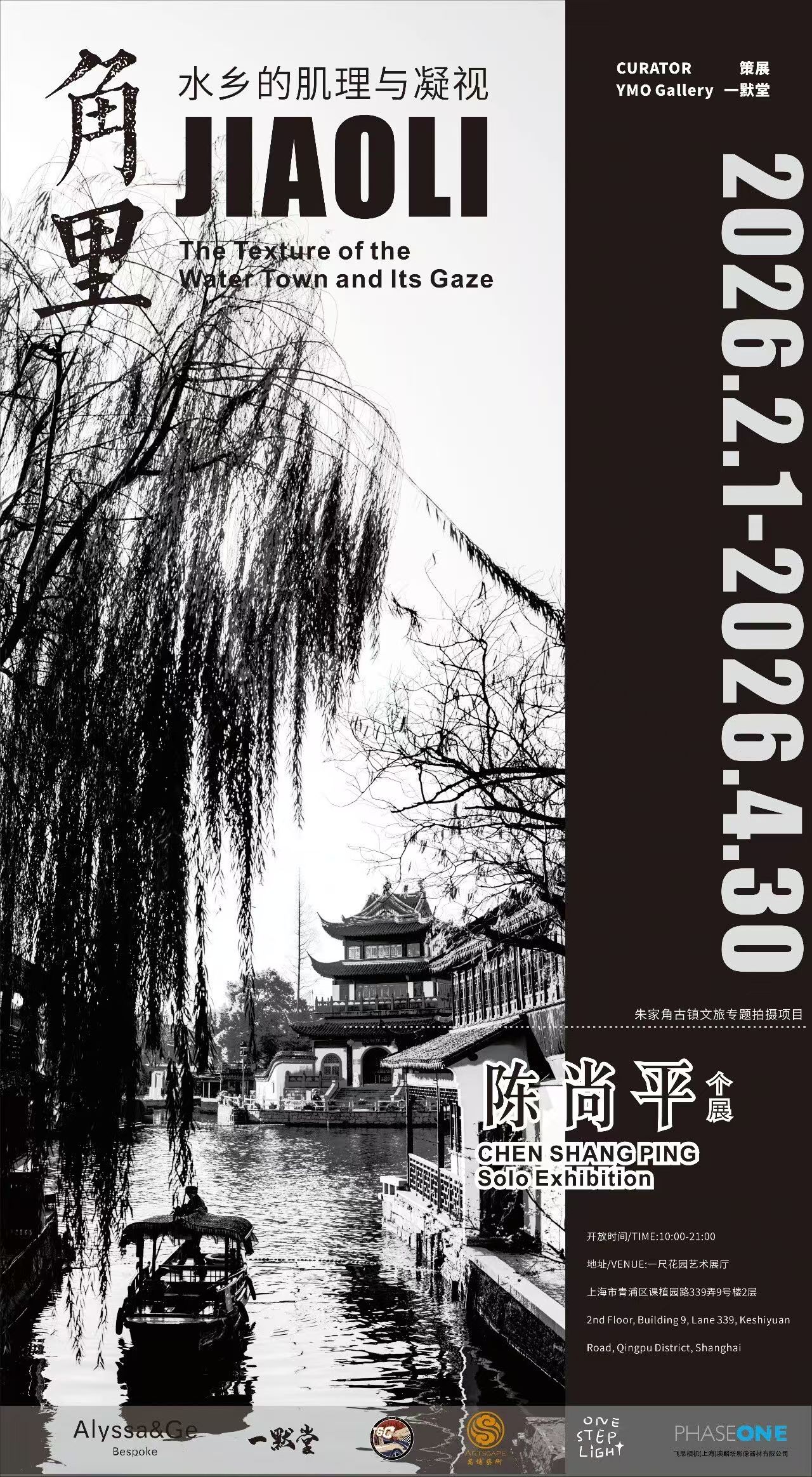
2026/2/1~2026/4/30
At the Exhibition
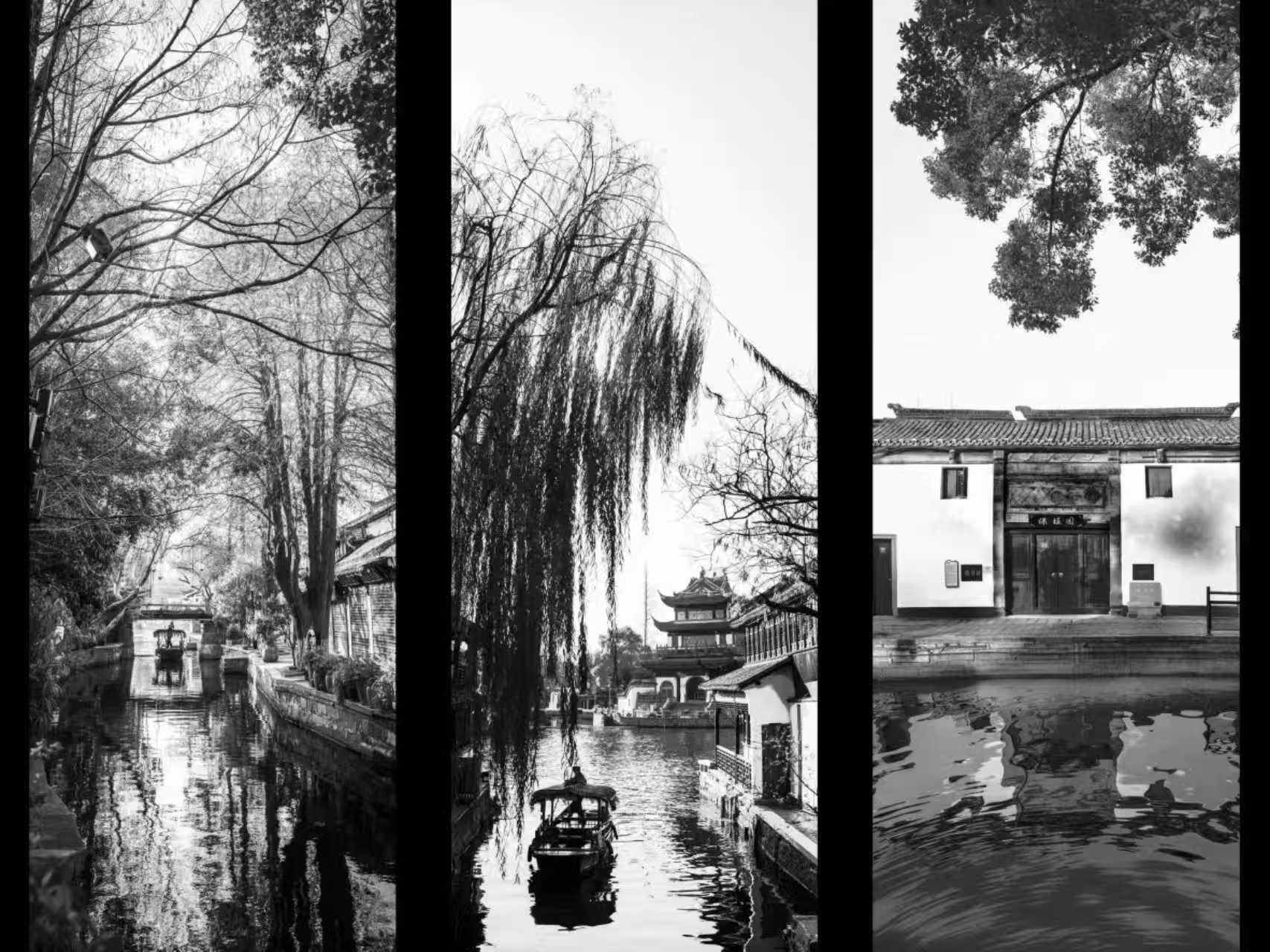
Entering the first exhibition hall, visitors are greeted by three extra-tall vertical photographic works, each 1.5 meters wide and 4 meters high. Drawing on the viewing logic of traditional Chinese landscape handscrolls, these works vertically extend the waterways, bridges, houses, and alleyways of the water town into a continuous, rhythmic spatial experience.
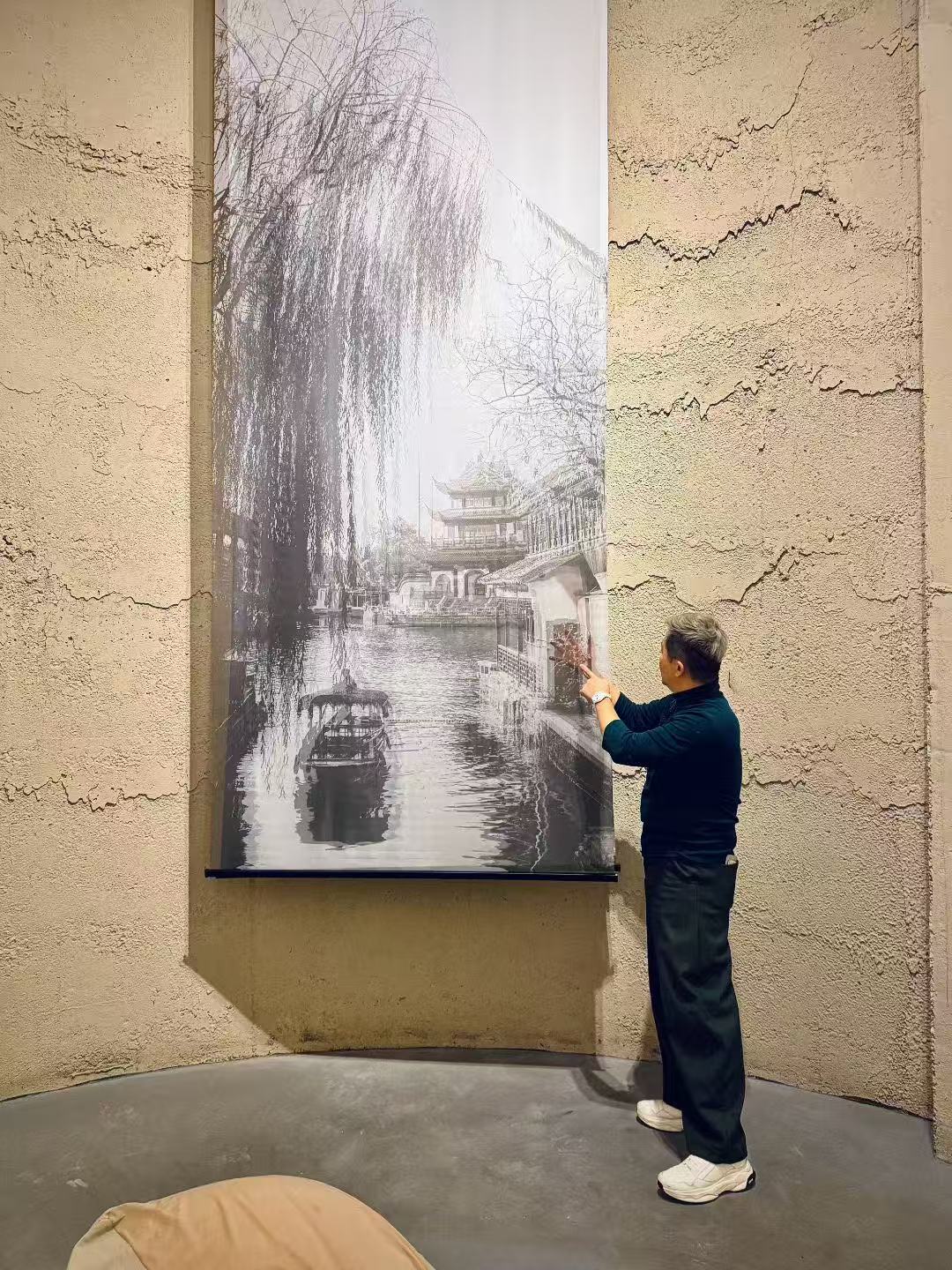
A thin layer of gauze is placed over the surface of each work, and the overlay of fabric and shadow blurs the depth of field—a temporal suggestion from the artist. In this way, the impression of the water town drifts, grows, and transforms between “reality” and “memory.” It exists, yet remains elusive.
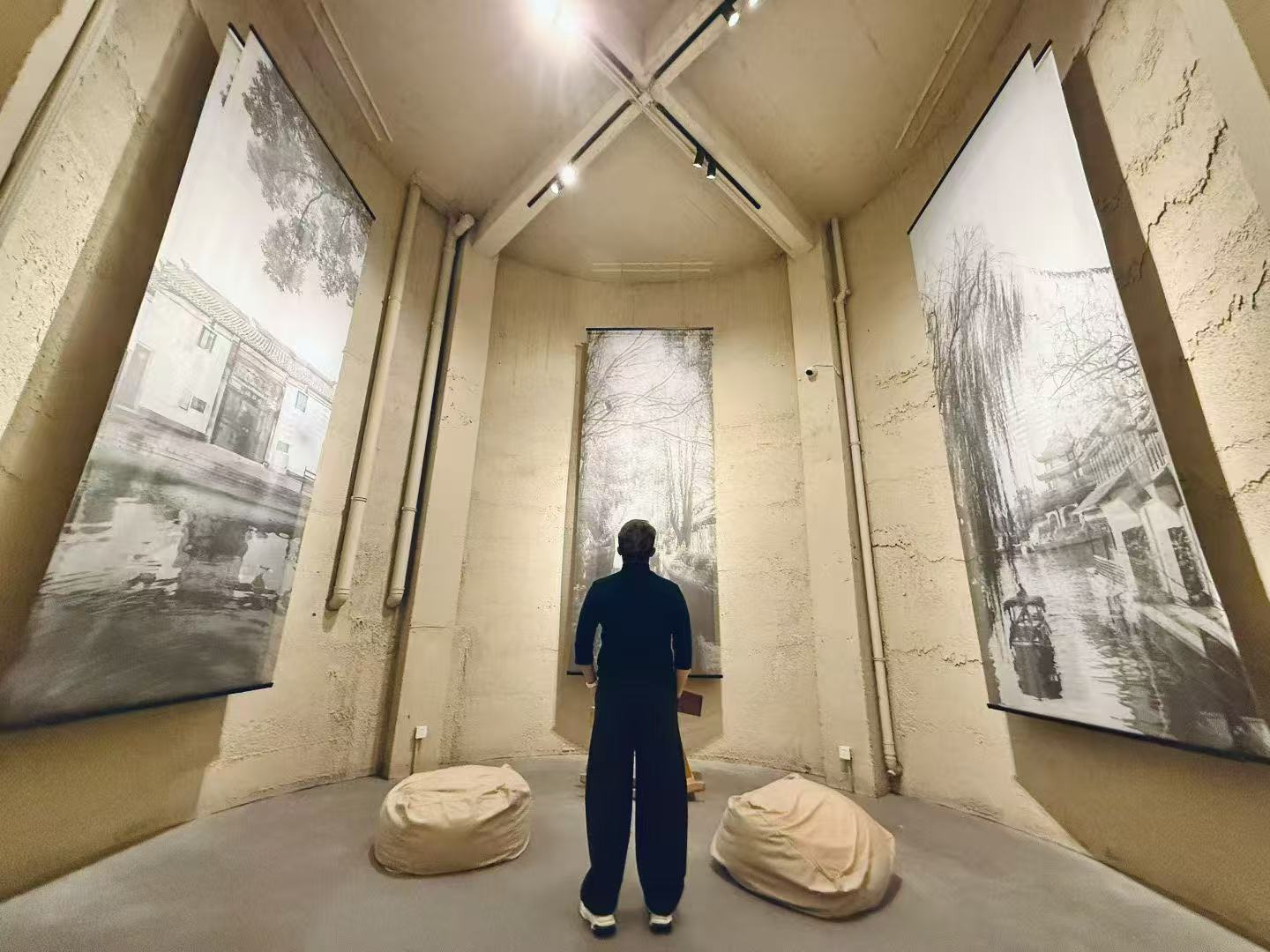
The overall vertical composition departs from the conventional viewing perspective. In this already lofty silo space, one looks up at these towering vertical photographs—and in that upward gaze, a sudden sense of solemnity arises. We are not merely appreciating them visually; we also experience them through the spatial and bodily presence. At this moment, we are no longer just spectators of the scene—we become part of it.
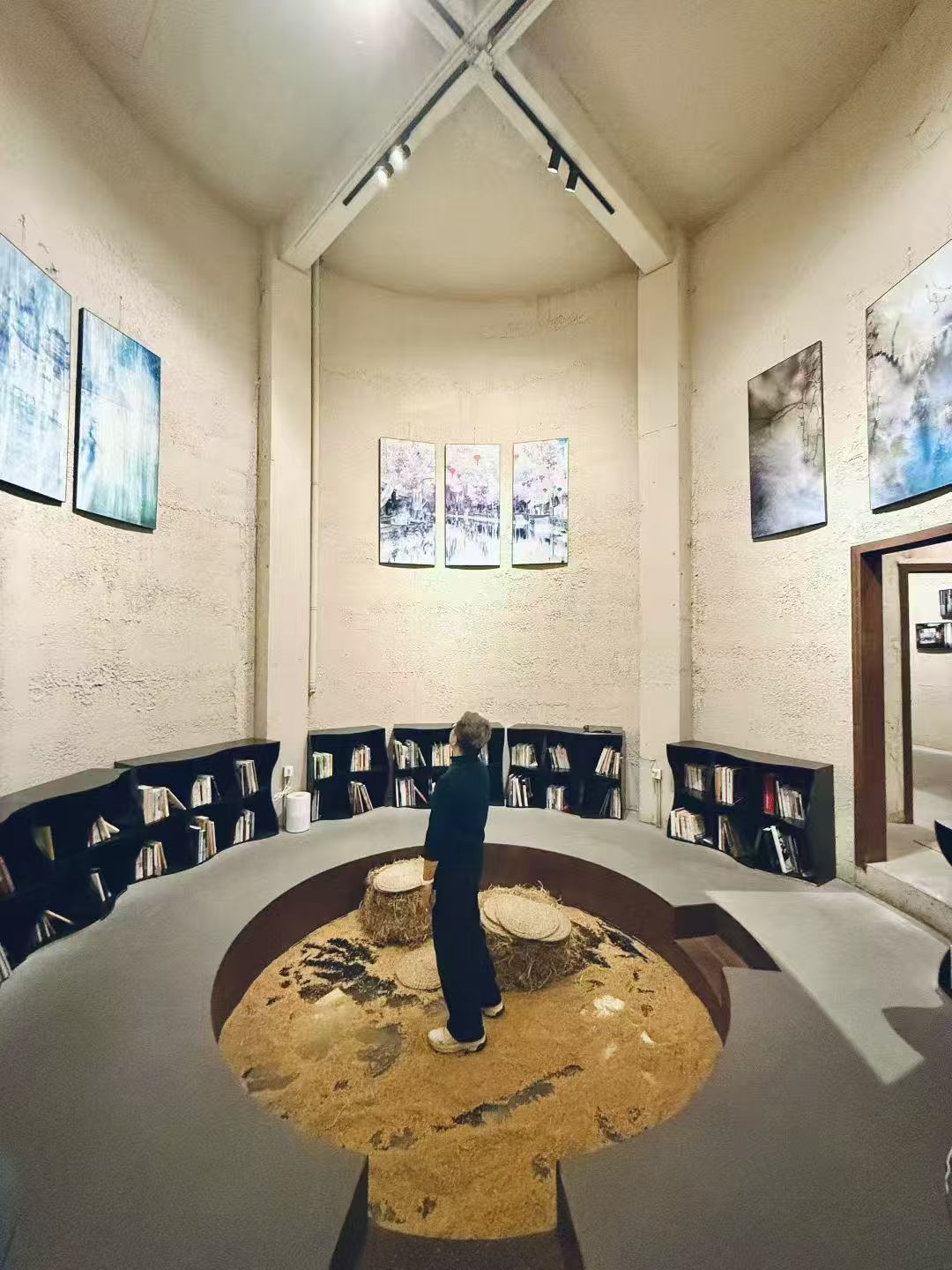
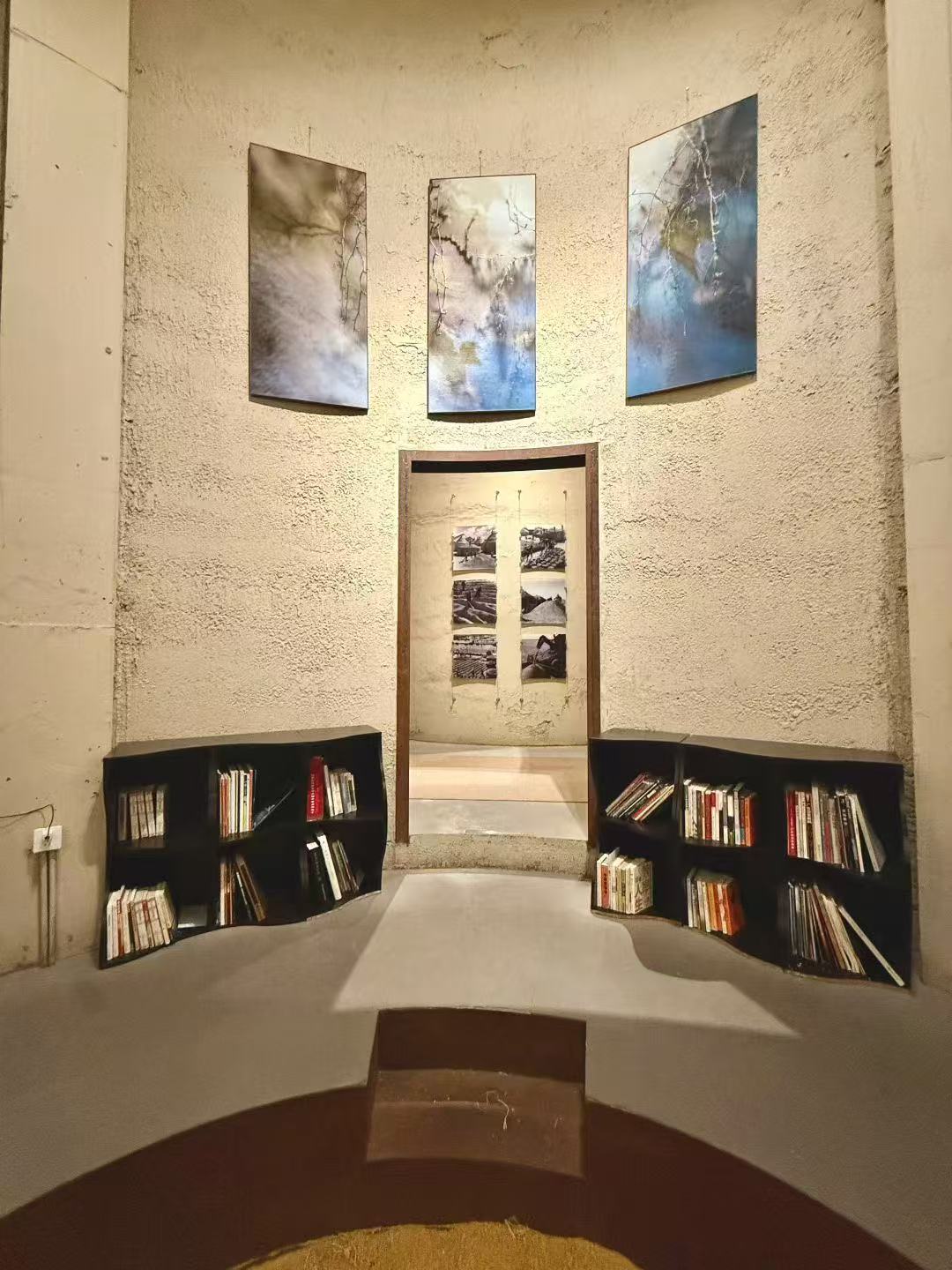
The three groups of photographic screens in the second hall turn their focus to night scenes and fine details. The shimmering flow of light on the water, the textures of the walls, the shadows of trailing vines—these everyday minutiae, so easily overlooked, are brought one by one into sharp relief.
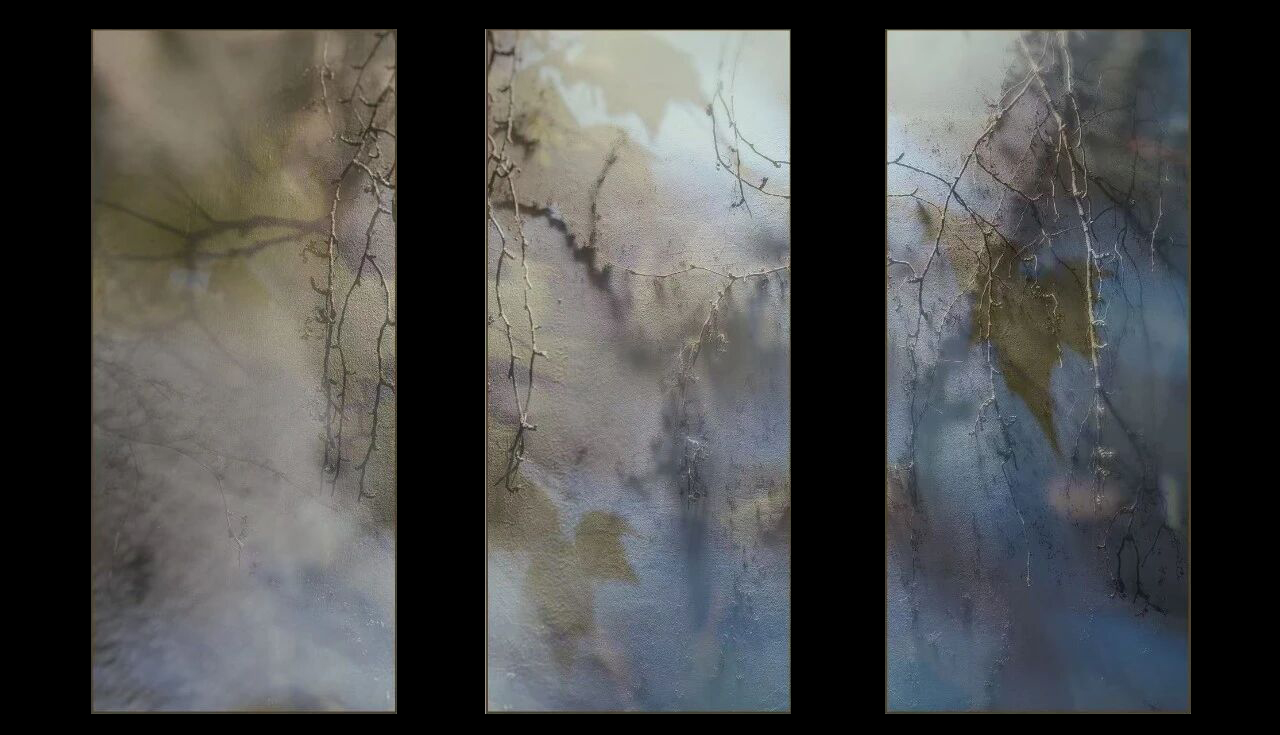
The images are serene and abstract. Upon gazing at them, what draws the eye most is the mottled coloration, rich with a film-like grain, which imparts a sensation suspended between illusion and reality.
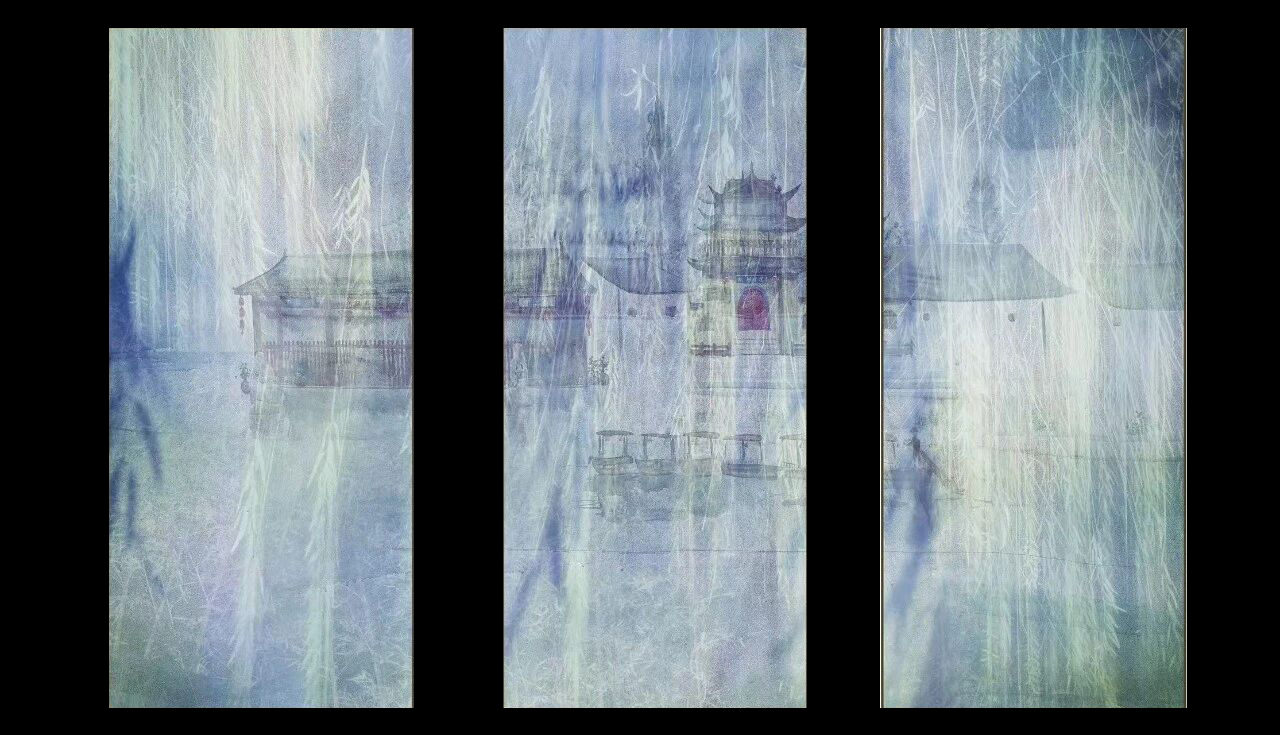
This series of works deliberately downplays figurative markers, extracting abstract elements—light, shadow, traces, and textures—as visual motifs. In doing so, it liberates the water town from its geographical symbolism, stripping away our concrete impressions of it and returning it to pure visual experience.
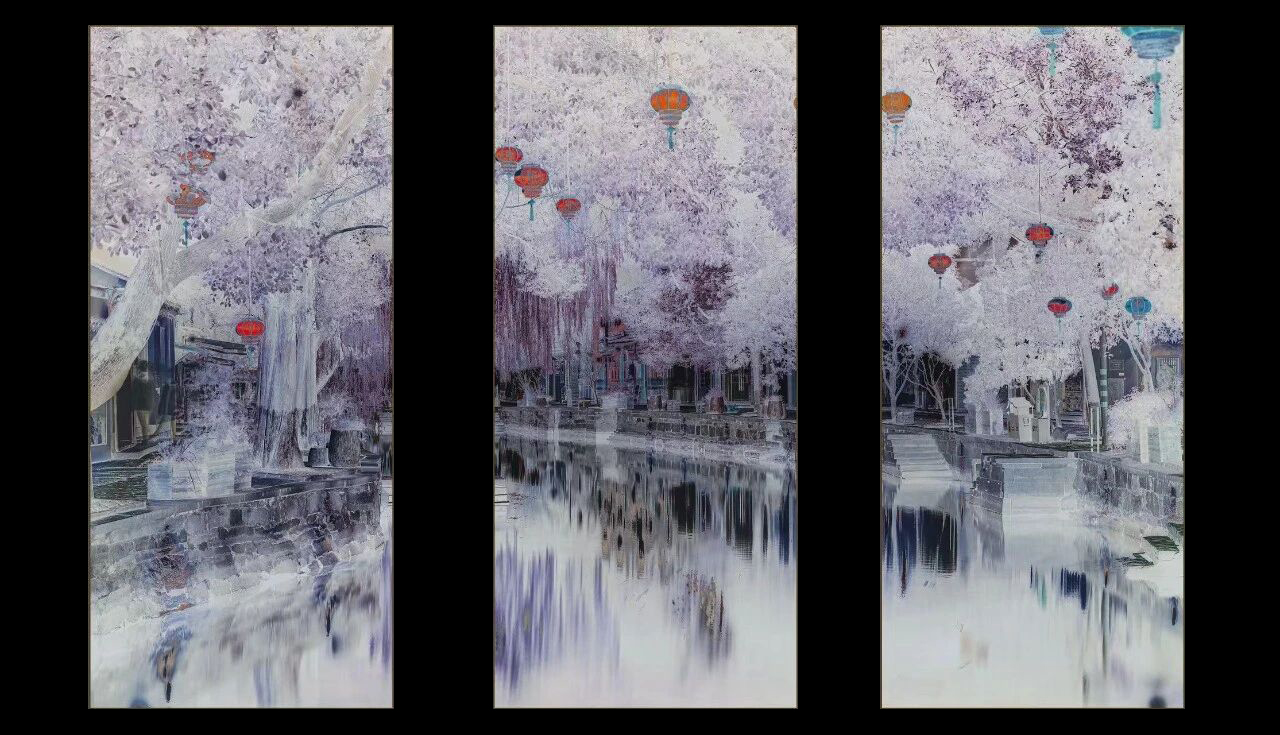
The third hall presents a series of “re-creations”—six completed installation works from the first two halls, brought back to Zhujiajiao and re-photographed within its actual settings.
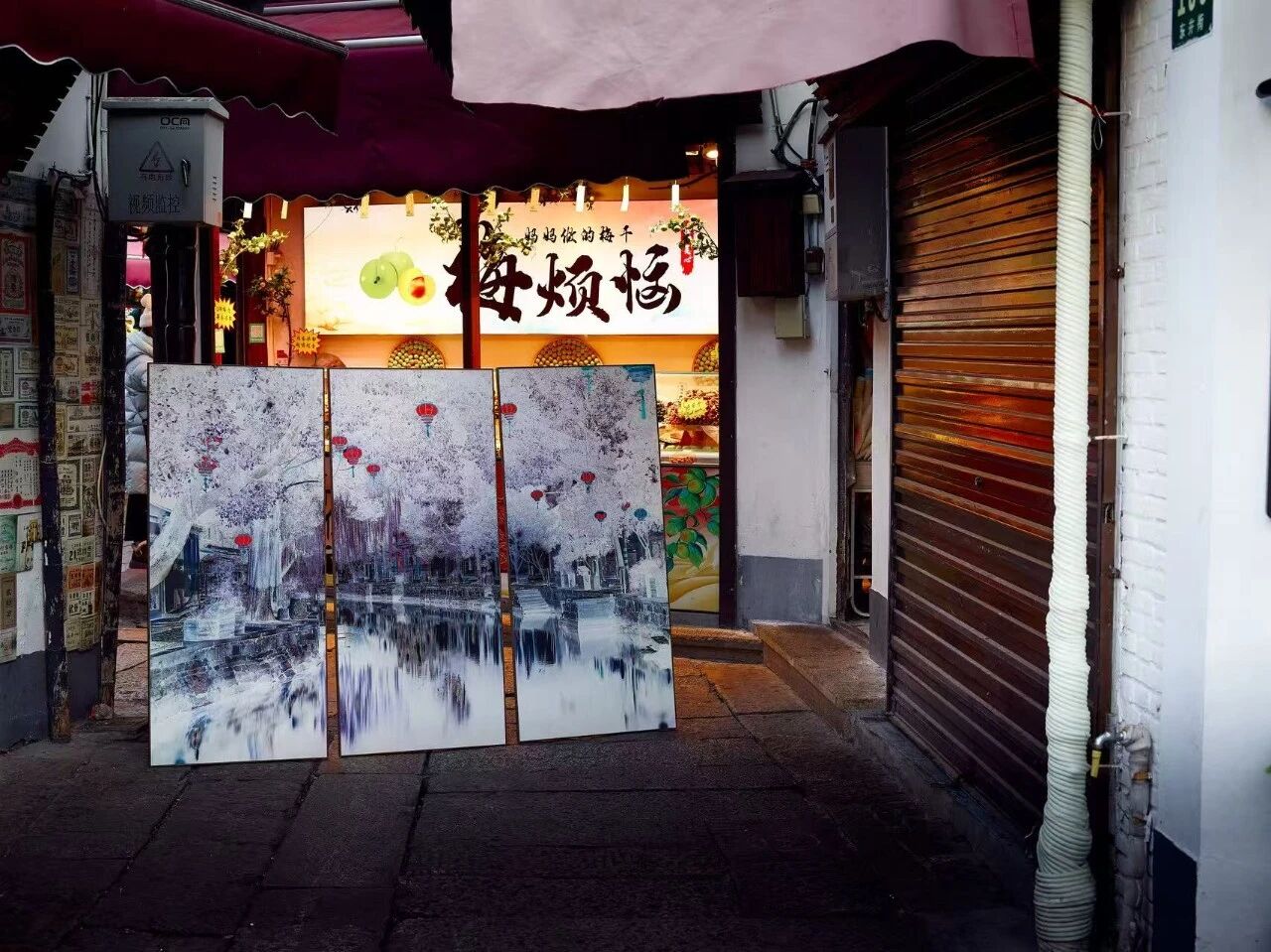
These works are placed among old storefronts and new windows, or juxtaposed against black-and-white street views, or opened out onto a corner scene for passersby. According to Chen Shangping, the juxtaposition of image and reality is not merely a dialogue but also an inquiry: How does art intervene in a place? And how can contemporary creation coexist with the everyday fabric of an ancient town?
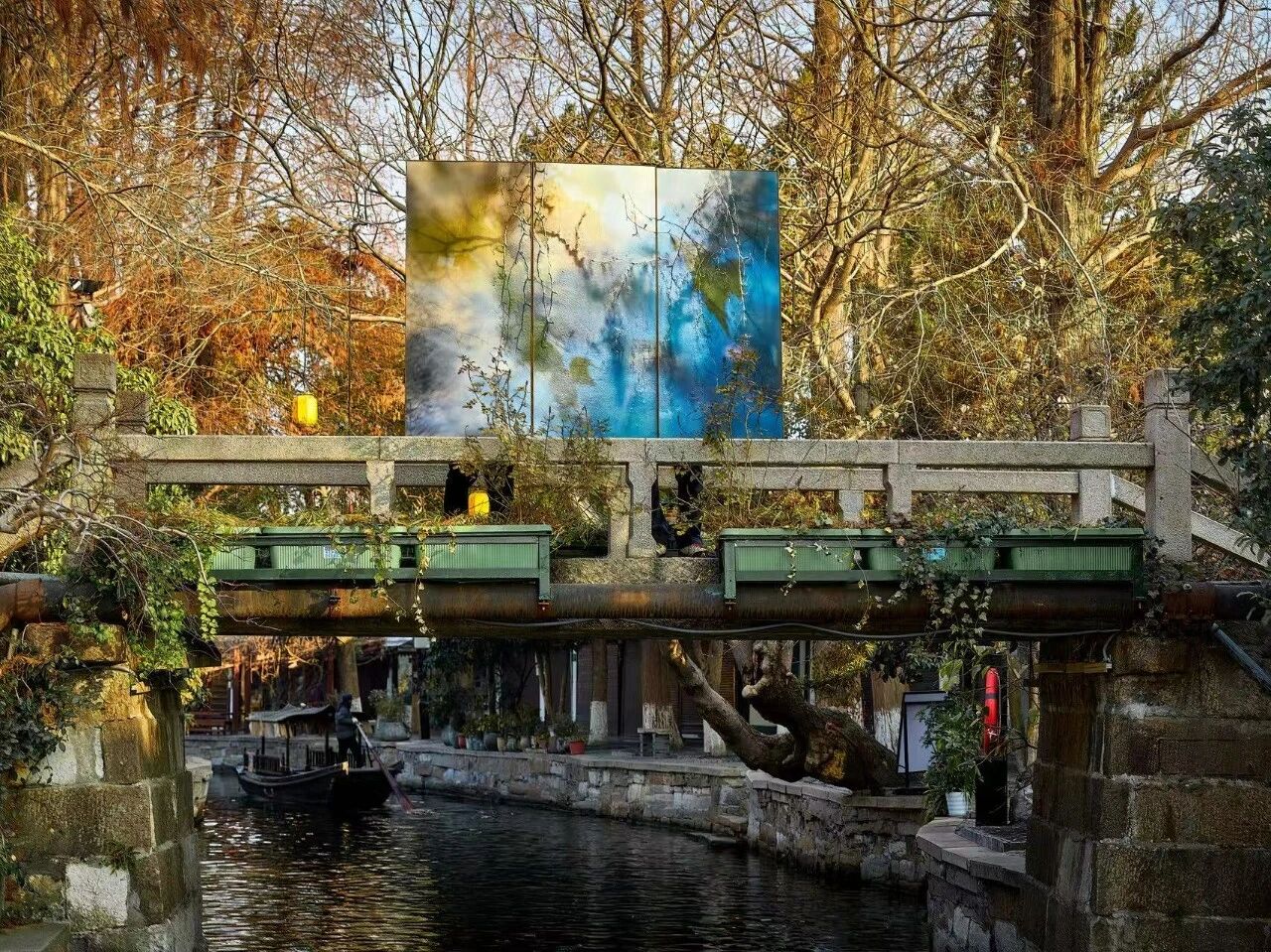
Perhaps, in the space between tradition and modernity, art can serve as a gentle conduit—linking memory to the here and now, stillness to life.
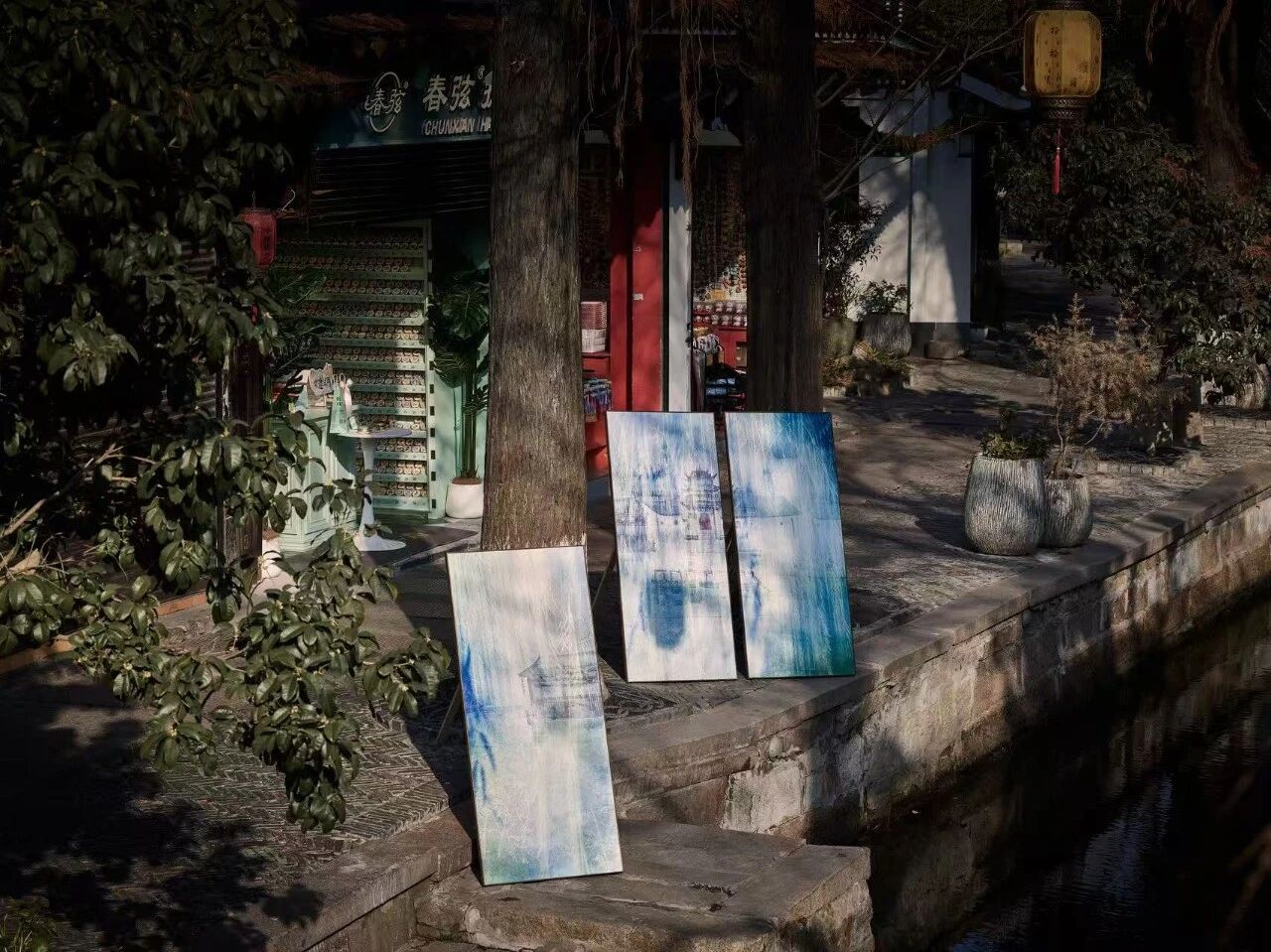
The “Jiaoli” series exhibition is more like a progressively unfolding gaze—moving from long scrolls that engage spatial perception, to abstract slices of light and shadow, and ultimately returning to a contextualized symbiosis within real-life scenes.
Through this structure, we hope to enable viewers not only to see Zhujiajiao, but also to see “seeing” itself—how do we look at a water town? And beyond the act of looking, are there details of the water town that remain hidden from us, quietly overlooked?
© CHEN SHANGPING